

 Spring has only just arrived, and we’re already looking at higher temperatures and regular use of your air conditioner. That’s only going to get worse as spring turns to summer, and soon enough, we’ll be running our air conditioners every day just to keep comfortable in the heat.
If there is a problem with your air conditioner, it is always better to spot it sooner rather than later. That tends to keep repair costs down, since the damage hasn’t had as much time to spread and gives you some flexibility in determining the best time to schedule repairs. (A breakdown in the summer usually means you have to reschedule your entire life and conduct repairs immediately.)
That means now is an excellent time to check your system for possible problems. No one should formally diagnose an air conditioning issue, much less attempt repairs (air conditioners contain potentially dangerous components like refrigerants, which require formal licensing to handle) unless they are professionals, but you don’t need to be an expert to spot the sign that something’s wrong.
 When it’s hot outside, you know you need your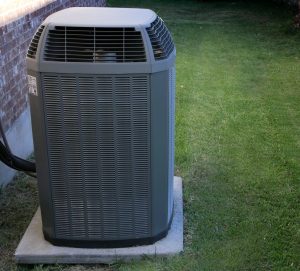
 “Does it just need more Freon?” is a question we hear quite frequently from our customers when the air conditioner is not working quite right. Yes, sometimes an air conditioner does need more refrigerant (the generic name for the chemical blend in your air conditioner). However, it’s usually much more than that, requiring sealing or a refrigerant leak—or a different problem altogether.
 When shopping for nearly any electronic these days, you’ll find some kind of information about its energy efficiency as you compare products. Washing machines, TVs, and even landlines and fax machines may all carry the ENERGY STAR label, which shows that a system has met the energy requirements set forth by the EPA.
 Unfortunately, air conditioning troubles are a part of life for many local residents—especially if your air conditioner is older than 10 years. We use our AC systems a lot in Florida, so breakdowns, while an annoyance, do not come as any particular surprise.
 When an air conditioner won’t work properly, people often assume what they know to be common air conditioning problems. They may ask us, “Does it just need more refrigerant?” Or, “Is the thermostat broken?” We should let you know, before we move on, that while refrigerant leaks are common, simply refilling the refrigerant is rarely a solution. You must seal the leaks, too.
 In Tampa, we don’t get a lot of use out of our heaters. For most of the year, the “heat” setting on the thermostat remains untouched, and our heating systems get a long rest. So when we do find ourselves in need of heating, it’s a big surprise if the unit won’t seem to kick on.
 Winter is coming, and that doesn’t mean much when you live in the Tampa area. You can expect cooler weather, sure, but there are unpredictable moments when you may still want to use your air conditioner. Still, it gets a nice break during this season, which helps you to save energy—especially if you’ve got an older air conditioner that no longer runs efficiently.
 We all know how draining the effects of high humidity can be. If you live in Florida, you deal with it all the time. You’re thankful to have a central air conditioning system to come home to on a hot, humid day. But is this really the solution your home deserves?