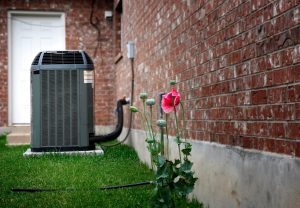
Winter is coming, and that doesn’t mean much when you live in the Tampa area. You can expect cooler weather, sure, but there are unpredictable moments when you may still want to use your air conditioner. Still, it gets a nice break during this season, which helps you to save energy—especially if you’ve got an older air conditioner that no longer runs efficiently.
But if this is the case, you may start to consider the benefits of replacing your older AC system with a high-efficiency unit. And the best time to do this is during the off-season, when “winter weather” hits and you don’t need the air conditioner throughout the day and night any longer.
We all know how draining the effects of high humidity can be. If you live in Florida, you deal with it all the time. You’re thankful to have a central air conditioning system to come home to on a hot, humid day. But is this really the solution your home deserves?
A whole-house dehumidifier that works with your air conditioning system may be the better choice. We know that many homeowners keep portable dehumidifiers around the house, but this just isn’t the same. It’s time to consider a whole-house approach for better comfort, air quality, and energy savings. Learn more about these benefits below, and call our team when you’re ready for a new installation.
The perfect AC system is a coveted item in a warm place like Tampa. You need a system that can handle the heat and the humidity. You want to make sure it’s a good fit for your home as well. And preferably it would work well with a heating system, even if you don’t use it often.
Why not get everything you need from a single system? A heat pump allows for heating and cooling all in one, using refrigerant for both heat removal (the cooling process) and moving heat into a home. It can absorb heat from the outdoors even when temperatures approach freezing, and it’s perfect for our climate. It may be the only comfort system you need.
Did you know that the first air conditioner built in 1902 was actually designed to dehumidify? The fact that it could cool the air was only a secondary consideration, as Willis Carrier simply needed a system that could help with humidity problems at a printing company.
There’s likely a lot you don’t know about your air conditioner. To be honest, you really don’t need to know very much about the ins and outs of central AC. Technicians have the proper training to deal with these components, and they’re the only people qualified enough to provide service. We do think, however, that it’s important to clear up a few common AC misconceptions. What you think you may know about air conditioning could be harmful in the end—at least for your wallet.
If you’re not sure how often you need to change the air filter in your home—and you’re not even sure why it’s so important—you’re not alone. To be honest, most of the people we talk to about the air filters that serve their air conditioning systems (and heaters) are misinformed about many aspects of their purpose and how to maintain them.
Today, we want to clear up some misconceptions. Changing the filter regularly can actually help to prevent air conditioning repair. Our repair technicians hate to see repairs that could have been prevented, which is why we feel it’s our duty to help.
A central air conditioning system is a complex piece of machinery, but it’s also built tough. It’s designed to take on the wear and tear that collects over the years—to an extent. But some wear and tear is largely preventable, and only adds unnecessary strain to your AC.
Proper air conditioning maintenance is important, as we’ll show you in today’s guide. And it’s easier to have done than you may think—when you work with a qualified team of technicians. Learn how and why to keep your air conditioner in the best condition possible today.
Hopefully, you don’t have to purchase new large appliances for your home often. When you have the right appliance in your home, it should last you many years—over a decade in the best cases—and that means you might not have much experience picking out something like a central air conditioning system.
What Should Homeowners Know Before a Heating and Air Conditioning Installation?
Focus on long-term comfort, efficiency, and system performance—not just upfront cost
Choose systems with high SEER (cooling) and AFUE (heating) efficiency ratings
Ensure the unit is properly sized based on your home’s layout, insulation, and square footage
Have a professional perform a load calculation and inspect existing ductwork
Select equipment that balances capacity and energy savings
Hire licensed HVAC installers to maintain warranty and ensure safe, proper installation
When it comes time to shop around for a new air conditioner, you’re going to need a little help. Luckily, our comfort specialists are more-than-qualified for the job, and you can call us whenever you need a hand. For now, check out our tips on selecting an air conditioner that truly cools your home and saves you the most money.


 Winter is coming, and that doesn’t mean much when you live in the Tampa area. You can expect cooler weather, sure, but there are unpredictable moments when you may still want to use your air conditioner. Still, it gets a nice break during this season, which helps you to save energy—especially if you’ve got an older air conditioner that no longer runs efficiently.
 We all know how draining the effects of high humidity can be. If you live in Florida, you deal with it all the time. You’re thankful to have a central air conditioning system to come home to on a hot, humid day. But is this really the solution your home deserves?
 The perfect
 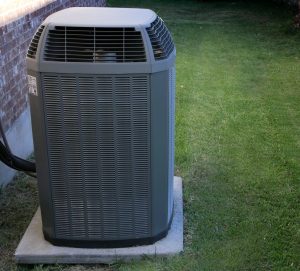 Did you know that the first air conditioner built in 1902 was actually designed to dehumidify? The fact that it could cool the air was only a secondary consideration, as Willis Carrier simply needed a system that could help with humidity problems at a printing company.
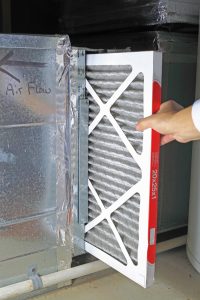 If you’re not sure how often you need to change the air filter in your home—and you’re not even sure why it’s so important—you’re not alone. To be honest, most of the people we talk to about the air filters that serve their air conditioning systems (and heaters) are misinformed about many aspects of their purpose and how to maintain them.
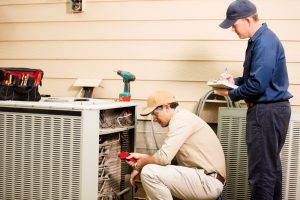 A
A