

Sizing an air conditioner means finding how powerful an AC is necessary to provide the specific amount of comfort for an interior space. If you are looking for a new central air conditioner for your house, you need to have the system sized so it provides your household with the comfort level it needs during even the hottest weather. Sizing is about more than ensuring a new AC system is powerful enough; it also ensures the system isn’t too powerful. Proper sizing is crucial for efficiency, system longevity, and optimal performance, as it ensures the HVAC unit meets your home’s needs without overworking or wasting energy. Choosing the right size and a high-efficiency system can help homeowners save money on energy bills over time. This article is a step by step guide to installing a heating and air conditioning unit, helping you understand each stage of the process.
A properly sized air conditioner falls between the extremes of oversized units, which can lead to frequent cycling, reduced comfort, and inefficiency, and undersized units, which may struggle to cool or heat your home effectively and cause excessive wear and higher energy costs. When selecting a system, you’ll also need to consider the type, such as a split AC system, which has separate indoor and outdoor units, allowing for efficient cooling and customizable installation—making it suitable for cooling multiple rooms. Be sure to check the efficiency rating (such as SEER) of the unit, as this impacts both the upfront investment and your long-term energy savings. Homeowners should also consider the total cost of installation, including equipment, labor, and any additional components like ductwork or permits, to make an informed decision.
How is sizing done, and is it something you can handle on your own before?
Introduction to Air Conditioning
Air conditioning is an essential part of any modern home’s HVAC system, providing much-needed relief from the heat and helping to maintain a comfortable indoor environment year-round. By keeping temperatures steady and controlling humidity, a well-designed air conditioning system not only enhances comfort but also contributes to better indoor air quality. When properly installed, an air conditioner can help lower energy bills by operating efficiently and reducing unnecessary energy consumption.
There are several types of air conditioning systems to consider, including split systems, packaged units, and heat pumps. Split systems and packaged units are the two primary types of central air conditioning systems. Packaged AC systems combine all components in a single outdoor unit, making them ideal for homes with limited indoor space. Each system offers unique benefits, and the best choice for your home will depend on factors like the size of your living space, the quality of your insulation, and the local climate. Installing a new HVAC system can improve both the home’s heating and home’s cooling efficiency.
Modern HVAC systems often come with features that enhance performance and convenience, such as smart thermostats and variable-speed operation. Understanding these options is the first step toward a successful air conditioner installation and a more comfortable, energy-efficient home. Proper airflow is essential for system efficiency and comfort. When installing ductwork or the system itself, ensure proper airflow by using correct ductwork installation and system design. The indoor unit should be positioned centrally to optimize airflow throughout the home.
Understanding Air Conditioning Components
Before installation begins, homeowners should prepare by clearing the installation area and any paths to ensure technicians have easy access to equipment. Protecting your home during the removal of the old system, existing furnace, and old equipment is important to prevent damage. Removing the old system is a critical preparatory step for safety, code compliance, and proper refrigerant recovery according to EPA regulations.
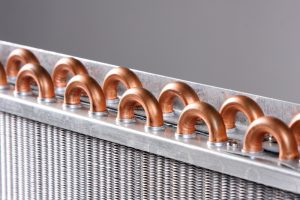
A typical air conditioning system is made up of several important components that work together to keep your home cool and comfortable. The indoor evaporator coil, often housed in an insulated cabinet with removable panels, is installed within the supply plenum or metal plenum to provide proper support and airflow. The evaporator coil, located inside the indoor unit, absorbs heat from the air inside your home. The indoor coil is protected by a filter dryer placed near the expansion valve to prevent moisture and contamination. The condenser coil, found in the outdoor unit, releases that heat to the outside air. The outdoor condenser should be placed on a stable and level area, ideally on a composite pad for durability and stability, and in Tampa, it is recommended to secure the unit with hurricane straps. The copper line set, including copper pipes, connects the indoor and outdoor units by fitting onto the service valve, which is used to isolate and secure the refrigerant lines, ensuring leak-proof connections. The line set is brazed or welded for system integrity. The compressor acts as the heart of the system, pumping refrigerant between the coils to facilitate the cooling process. The air handler is responsible for circulating cooled air throughout your home via the ductwork. A PVC pipe is used for the condensate drain line, directing moisture away from the evaporator coil to prevent flooding and ensure proper drainage. Each of these components must be properly sized and matched to ensure the system operates efficiently and delivers the desired comfort.
Electrical safety is ensured by installing a new service disconnect box—either a fused box or non fused box—near the outdoor unit, providing overcurrent protection and connecting to the electric panel in compliance with code. Licensed technicians handle all electrical and control connections, including low voltage wiring, verifying proper circuit sizing, breakers, grounding, and code-compliant disconnects. System testing is performed during installation, including checking for leaks, verifying refrigerant charge, and ensuring proper operation.
Local building codes and energy efficiency standards, such as the Florida Building Code in Hillsborough County, require HVAC installations to meet safety and efficiency requirements. Most localities require mechanical and electrical permits for HVAC installation. The average cost for HVAC installation can range from $2,500 to $7,000, depending on the size of the home, unit efficiency rating, and labor costs, with ductwork installation typically not included. Homeowners should expect to pay between $5,000 and $12,000 for a complete HVAC system replacement. Replacing an HVAC system can lead to significant energy savings—up to 20% for air conditioning and 15% for heating. The HVAC installation process typically spans several days, and homeowners should provide clear access and manage pets during this time. Installing a new HVAC system is a complex job best left to licensed professionals for safety, efficiency, and code compliance. Professional installation includes testing and startup to ensure the system operates correctly and safely.
Inspecting existing ductwork for leaks or blockages is crucial before HVAC installation to ensure optimal performance. Consulting with a licensed HVAC technician is the best way to ensure your air conditioning system is correctly sized and installed, so you can enjoy reliable performance and lower energy costs for years to come.
The Role of the Filter Dryer
The filter dryer is a small but essential component in modern air conditioning systems, playing a key role in keeping your HVAC system running smoothly and efficiently. Its main job is to absorb moisture and filter out contaminants from the refrigerant as it travels through the copper lines connecting the indoor and outdoor units. By removing these impurities, the filter dryer helps ensure your air conditioner operates efficiently, preventing issues that can lead to uneven temperatures, inefficient operation, or even frequent repairs.
During air conditioner installation, the filter dryer is typically installed in the outdoor unit, close to the expansion valve. This strategic placement allows it to protect the entire system from moisture and debris that could otherwise cause corrosion, freezing, or blockages in the refrigerant lines. A properly installed filter dryer is crucial for maintaining the integrity of your HVAC system, helping to extend its lifespan and reduce the risk of costly breakdowns.
It’s important to remember that the installation process for a filter dryer should always be handled by licensed technicians. Not only does this ensure the component is installed according to local building codes, but it also guarantees that your new system will meet the specific heating and cooling needs of your home. Proper installation of the filter dryer, along with the rest of the HVAC system, helps ensure the system operates efficiently and keeps your energy bills in check.
The filter dryer works in tandem with the two copper lines that carry refrigerant between the indoor and outdoor units. By filtering out moisture and contaminants, it helps prevent problems like corrosion and freezing, which can lead to uneven temperatures and reduce the overall performance of your air conditioning system. Regular maintenance, including annual professional inspections, is essential to keep the filter dryer—and your entire HVAC system—in top condition. Replacing the filter dryer as recommended by the manufacturer can help you avoid inefficient operation and extend the life of your system.
In summary, the filter dryer is a vital part of any air conditioning system. Its proper installation and ongoing maintenance are key to ensuring your HVAC system delivers reliable comfort, energy efficiency, and long-term performance. By understanding the importance of the filter dryer and making it a priority during air conditioner installation and routine maintenance, you can enjoy a more comfortable home and avoid unnecessary repairs down the road.
Why Professionals Should Always Size Your AC System
You can go online and search for tips on how to size an air conditioner yourself. You can find DIY instructions on almost anything online, including how to take care of a pet raccoon. That doesn’t mean you should actually do these things—like attempt to care for a wild animal or size your own air conditioner. Although it’s possible you may end up accurately sizing a new air conditioner, it’s a risk, and the consequences of getting it wrong are expensive. For a better outcome, it’s worth understanding the value of professional AC installation. Proper preparation before HVAC installation includes securing pets and clearing work zones to ensure a smooth process. Removing the old system and old equipment safely is a critical step for safety, code compliance, and warranty protection, as it involves proper disconnection, handling of refrigerant, and compliance with regulations. Self-installation of HVAC systems can void any type of warranty protection from the manufacturer. You’ll have to call HVAC professionals for the installation eventually, and it’s essential to use licensed technicians to ensure the system is installed safely, meets code requirements, and operates efficiently.
Common Consequences of Incorrect AC Sizing
Many different problems will occur with an incorrectly sized air conditioner, but it all comes down to one major issue: the air conditioner will need to be replaced and you’ll have to start all over again. That’s an expensive mistake. To avoid this, make sure you choose the right AC system that fits your home’s specific cooling needs.
We’ll break it down depending on which mistake you make:
- You undersized the AC: An air conditioner that cannot provide enough cooling for a home means a home that doesn’t get cool enough. This is straightforward. It also means the AC will have to run almost continually as it tries to cool the house and wastes enormous amounts of money. This kind of inefficient operation can significantly reduce efficiency, leading to higher energy bills and more frequent repairs. Humidity will also become a serious problem; poor AC capacity allows humidity to get out of control. Even when planning an off-season air conditioner installation, getting the wrong size can lead to long-term performance issues.
- You oversized the AC: “What’s wrong with erring on the side of too much cooling?” Plenty, as you’ll find out. If the AC is too powerful, it will shut off early and fail to evenly cool the house. It will then get caught in short-cycling, where the AC turns on and off repeatedly, which wastes power and causes the system to age rapidly so it will wear out years too early.
Mistakes in sizing can also increase the total cost of installation due to additional labor costs and the need for replacement.
Understanding Load Calculations in AC Sizing
Sizing an air conditioner requires doing a load calculation, which takes various factors about a house and plugs them into a formula that returns the cooling necessary (in tons, with one ton equal to 12,000 BTUs of heat removed) for the space. You can find “homebrew” load calculations, but these won’t give you an accurate result. It takes experts to handle all the necessary criteria for a correct load calculation. A Manual J load calculation determines the precise heating and cooling requirements based on several factors including square footage and insulation quality. As of January 1, 2023, new central AC units in Florida must have a minimum Seasonal Energy Efficiency Ratio (SEER) of 15, ensuring higher energy efficiency standards. A proper load calculation is essential for the installation process of a new system, as it ensures the HVAC components are correctly sized and integrated for optimal performance.
Proper thermostat installation is also a crucial part of the process, as it allows for accurate control of the heating and air conditioning unit. After installation, system testing—including verification of thermostat function—is essential to ensure the system operates correctly and delivers the expected comfort and efficiency.
The Importance of Expert AC Installation and Sizing
You cannot install an air conditioner as a DIY project, so why not get the professionals involved from the start? There’s no reason to try to size your AC on your own when you’ll have to call HVAC professionals for the installation eventually. Before any work begins, the necessary permits must be obtained, which often include mechanical, electrical, and gas permits. So for your air conditioning services in Tampa, FL, get started with our experts! We’ll do it right from start to finish.
Frequently Asked Questions
Question: Can I size my own air conditioning system for installation?
Answer: Technically you can find DIY guides online, but sizing an air conditioner accurately is complex because it must consider many home-specific factors. Doing it yourself risks the wrong size, leading to poor comfort, inefficiency, or costly replacement. It’s best left to professionals.
Question: Why is proper AC sizing important?
Answer: Proper AC sizing ensures your system cools evenly, controls humidity well, and runs efficiently. A unit that’s too small runs constantly and wastes energy, while an oversized unit short-cycles, wastes power, and wears out faster.
Question: What happens if an air conditioner is undersized?
Answer: An undersized air conditioner can’t provide enough cooling, so it runs nearly all the time, uses more electricity, fails to reach comfort levels, and struggles to manage humidity.
Question: What are the problems with oversizing an AC unit?
Answer: If the air conditioner is too powerful, it cools quickly but shuts off before properly dehumidifying, causing uneven cooling, frequent on-off cycling, wasted energy, and faster system wear.
Question: How do professionals determine the right AC size?
Answer: HVAC pros perform a load calculation that considers your home’s square footage, insulation, windows, climate, and other factors to find the correct cooling capacity. This method is far more accurate than rough DIY estimates.
The A/C Guy of Tampa Bay Inc. serves our Tampa Bay Family with Integrity and Honor. Schedule new AC installation or other HVAC services with us.