

 You don’t need to be an expert on the science and mechanics of air conditioning to enjoy cooling from an air conditioner, the same way you don’t have to be an electrical engineer to benefit from the lights in your house. Trained professionals exist to help you in these areas.
But extra knowledge of home services is always advantageous. When you understand the basics of the operation of your household cooling system, you’ll have a better idea when you need air conditioning service in Dunedin, FL.
Preamble over. Let’s examine the component at the heart of your air conditioning system: the compressor.
 Children are heading back to school, and in a few months they’ll start bringing home report cards. But you can hand out a report card before school starts: a report card for your air conditioning system. How did it perform its job this summer? Did it sail through the season and keep those electrical bills steady? Or did it hit a few bumps along the way?
 An air conditioning system is manufactured to use a specific amount of chemical refrigerant. This is known as an air conditioner’s charge. People often make the mistake of thinking refrigerant is an energy source for an air conditioner. It isn’t. The energy source of an air conditioner is electricity. Refrigerant is the heat transference medium that allows the air conditioner to move thermal energy outside of the house (cooling the indoor air) and exhausting it. The refrigerant evaporates and condenses in a cycle and never dissipates—so it will never get “used up.”
 When it’s one of the hottest days of the summer in Tampa Bay, what’s the last appliance in your home you want to break down? We can’t imagine you’d answer anything other than “the air conditioning system.” We need our household air conditioners running at peak reliability through the season, and often long past it. This is why we always stress the importance of scheduling annual maintenance in spring for ACs; it’s the best “insurance policy” against a system suffering an abrupt shutdown during the heat.
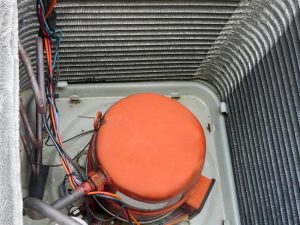 The compressor is the literal heart of a central air conditioning system: it’s what causes refrigerant to move through the rest of the system and transfer heat from the inside to the outside. When a compressor fails, the AC fails. The fans may still run, but no cool air will come from the vents.
 The weather in Tampa is already sunny and warm, just as we’d expect in May. Air conditioners are now up and running, and they’ll probably only have a few days of break time for the rest of the season.
 While the rest of the country gears up for heating season, we have just a bit more warm weather before the days start to really get cold. While you’re using your air conditioner these last few weeks, remember to keep your eyes open for any and all signs that the system is in trouble. You don’t want to have to deal with a full air conditioning breakdown right at the end of the summer, do you? That’s why it’s best that you catch any developing problems as early as possible so they can be repaired.
 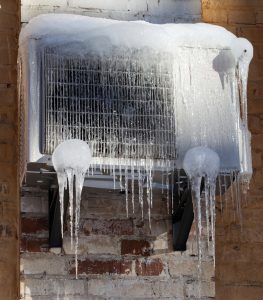 Air conditioner ice may seem like a good thing on a boiling hot day, but it really isn’t. It means your air conditioner is dealing with a serious problem. If you’re not careful, air conditioner ice can eventually cause the entire system to break down. We recommend that you call for repairs as soon as you notice that your system is freezing over.