

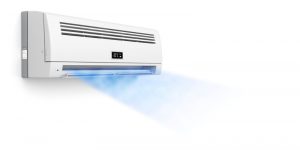
 Using ductless air conditioning in Tampa, FL is a popular choice for many homeowners. Ductless systems are common in Europe and Japan—in fact, more common than standard split system air conditioners—and over the last decade have made a major impact in the US for both homes and businesses. They aren’t universal yet, however, so we’re going to go over times when installing a ductless heating and cooling system is a sensible move. You can speak to our HVAC experts for more information about ductless mini splits and when they can be the best benefit to a home.
The A/C Guy of Tampa Bay Inc. Blog: Posts Tagged ‘Tampa’
When a Ductless System Installation Makes Sense
Monday, July 29th, 2019Troubleshooting a Failed Air Conditioning System
Monday, July 15th, 2019 When it’s one of the hottest days of the summer in Tampa Bay, what’s the last appliance in your home you want to break down? We can’t imagine you’d answer anything other than “the air conditioning system.” We need our household air conditioners running at peak reliability through the season, and often long past it. This is why we always stress the importance of scheduling annual maintenance in spring for ACs; it’s the best “insurance policy” against a system suffering an abrupt shutdown during the heat.
But no amount of planning can stop all AC breakdowns. If you find yourself trapped in a boiling hot home with a failed cooling system, you’ll want fast AC repair in Tampa, FL. We can provide this work for you—but we also want to help you find out if there’s a simple problem behind the AC shutdown you can remedy yourself.
Can a Heat Pump Keep Up With Florida Summers?
Monday, July 1st, 2019 Heat pumps are becoming more and more popular for home comfort, especially here in Florida. But even with heat pumps popping up in a larger number of houses than ever before, the general public has many misunderstandings about what they are how they operate—and that makes it more difficult to know if a heat pump might be a good installation for home comfort.
The question in the title comes from one of these misunderstandings. Heat pumps are comfort systems that both heat and cool, leading to people thinking that they can’t do either job as well as a standalone air conditioner or heater. Here in Florida, where heating isn’t the main comfort concern, homeowners want to know if a heat pump in cooling mode can manage the intense summer weather as well as an air conditioner.
If My AC’s Compressor Breaks, Do I Need a New System?
Monday, June 17th, 2019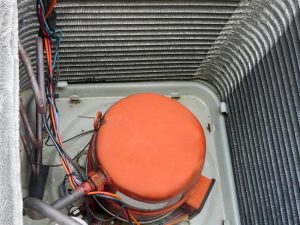 The compressor is the literal heart of a central air conditioning system: it’s what causes refrigerant to move through the rest of the system and transfer heat from the inside to the outside. When a compressor fails, the AC fails. The fans may still run, but no cool air will come from the vents.
Because the compressor is such a vital component, and an expensive one to replace, a homeowner must face a big choice about what to do next.
The Power of UV Lights for Cleaning Your Air
Monday, June 3rd, 2019 Homes across the US frequently have issues with indoor air quality. Because modern houses are designed to prevent loss or gain of heat through open areas, there’s little chance for fresh air circulation to clean out the concentration of indoor contaminants.
Here in Tampa Bay, one of the biggest indoor air quality challenges we face is organic pollutants. Our high humidity makes it easy for mold to develop in parts of our homes, and it also creates a fertile environment for microbes and viruses. Proper humidity control can help alleviate the source of the problem, but when it comes to cleaning these harmful spores and microbes from the air, the best solution is UV lights, a.k.a. UV air purifiers.
The Benefits of a Central Air Conditioner
Monday, May 20th, 2019
Electro-mechanical air conditioning was invented at the start of the 20th century, but it wasn’t until the 1950s that it entered homes in a big way because of the availability of window AC units. Even today, many homes still use window units to provide cooling in their home. But central air conditioning systems are a better option, for a variety of reasons.
Below we’ve listed the major benefits of using central air conditioning in Tampa, FL rather than window units for a house.
It’s Not Too Late to Sign Up for AC Maintenance
Monday, May 6th, 2019 The weather in Tampa is already sunny and warm, just as we’d expect in May. Air conditioners are now up and running, and they’ll probably only have a few days of break time for the rest of the season.
Does that mean it’s too late for those AC maintenance plans in Tampa, FL? Is it better to just skip a year and have maintenance done next spring?
Not at all! It’s still early in the air conditioning season, and it’s far worse to skip maintenance entirely than have it done a few weeks later than usual. In fact, even if it were July, we’d still advise you to have maintenance done—because it’s that essential!
Why Replace Those Window ACs—And What Can Replace Them
Monday, April 22nd, 2019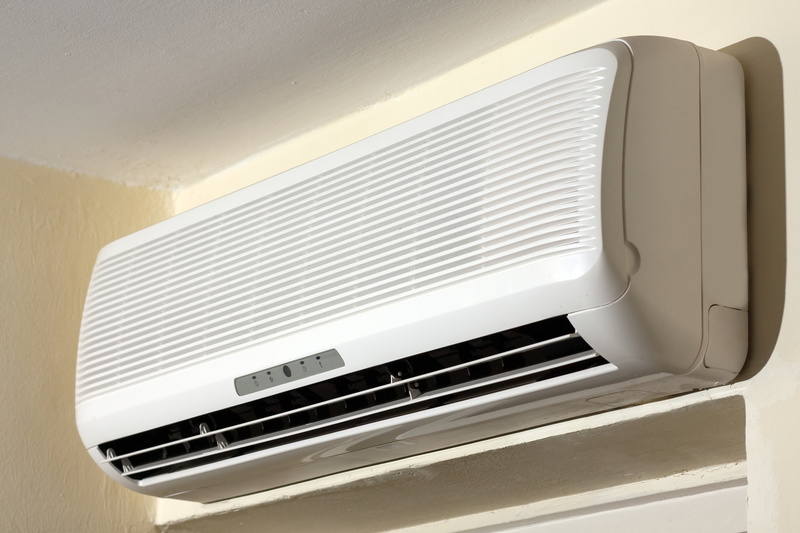
The window air conditioner was an amazing invention when it first appeared in the 1950s. For the first time, homes had affordable options for mechanical cooling. Central air conditioners were too expensive and most houses didn’t have the space for the ductwork necessary.
Central cooling systems have come a long way in sixty years. They’re less expensive and modern homes are designed with them in mind. But if you live in an older house or one that wasn’t built with ductwork, you’re probably still depending on window air conditioners for keeping your summer cool.
We’d like to help change that! Window ACs may work for an apartment, but your larger home deserves something better.
Check Your AC Early: Does It Need Repairs?
Monday, April 8th, 2019
Air conditioning season starts early in Tampa Bay. There’s a good argument that it never actually stops, but spring is the time when air conditioners really rev up and put in the heavy work.
So as your air conditioning system begins the long job of cooling your house down through another hot middle of the year, take some time to make sure it doesn’t have repair needs. There are small signs that might appear at this time warning you to call for air conditioning repair in Tampa, FL.
We Can Help You Beat the Florida Humidity in Your House
Monday, March 25th, 2019 The dry seasons here in Tampa Bay can often last into May. But as summer gets into gear, the humidity starts to ramp up. And as the relative humidity rises along with the temperatures, it can mean some sweaty and uncomfortable days. Combining a 90°F afternoon—and we experience a few of those!—with relative humidity higher than 60% can make the weather feel 10° hotter! That is—no—fun.
You can’t do much about high humidity when you’re outside except to fan yourself or jump in a pool. In your home, however, you can find ways to better control humidity. And no way is more effective than to call us to help you with indoor air quality systems in Tampa, FL that balance humidity and ensure proper air circulation.