

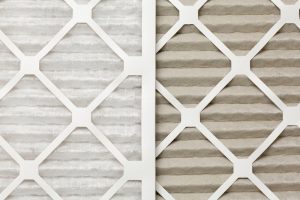
We offer several ways to help local homes enjoy cleaner, healthier indoor air, such as installing a powerful air purifier in St. Petersburg, FL. But when most homeowners get started with indoor air quality improvements, they first look at air filtration systems. These are the baseline for healthier air: they physically trap particles trying to circulate through the HVAC system. Professionals only have to find the right types of filters and integrate them into the ductwork and they’ll start doing their job.
Let’s go back to that last sentence: the right types of filters. This is a key part of air filtration installation, and one of the reasons it’s necessary to have professionals handle the job. The strength of an air filter can make or break an indoor air quality installation. In this post, we’ll examine in more detail air filter strength and its impact.
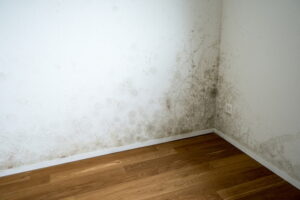




 Homes across the US frequently have issues with indoor air quality. Because modern houses are designed to prevent loss or gain of heat through open areas, there’s little chance for fresh air circulation to clean out the concentration of indoor contaminants.
 The dry seasons here in Tampa Bay can often last into May. But as summer gets into gear, the humidity starts to ramp up. And as the relative humidity rises along with the temperatures, it can mean some sweaty and uncomfortable days. Combining a 90°F afternoon—and we experience a few of those!—with relative humidity higher than 60% can make the weather feel 10° hotter! That is—no—fun.
 Poor indoor air quality is a serious problem for homes in Florida, but it’s also a problem that’s often ignored. People tend to worry more about keeping their homes cooled rather than circulating fresh air. Humidity is the air quality issue that usually gets the most attention.