

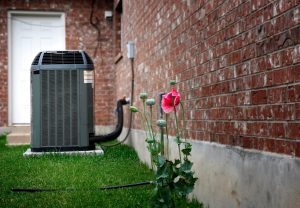
Hopefully, you don’t have to purchase new large appliances for your home often. When you have the right appliance in your home, it should last you many years—over a decade in the best cases—and that means you might not have much experience picking out something like a central air conditioning system.
What Should Homeowners Know Before a Heating and Air Conditioning Installation?
- Focus on long-term comfort, efficiency, and system performance—not just upfront cost
- Choose systems with high SEER (cooling) and AFUE (heating) efficiency ratings
- Ensure the unit is properly sized based on your home’s layout, insulation, and square footage
- Have a professional perform a load calculation and inspect existing ductwork
- Select equipment that balances capacity and energy savings
- Hire licensed HVAC installers to maintain warranty and ensure safe, proper installation
When it comes time to shop around for a new air conditioner, you’re going to need a little help. Luckily, our comfort specialists are more-than-qualified for the job, and you can call us whenever you need a hand. For now, check out our tips on selecting an air conditioner that truly cools your home and saves you the most money.
Why Upfront AC Installation Costs Aren’t Everything
We know that looking at the cost of installation can be a bit overwhelming when you don’t know what to expect. However, we don’t think it’s worth your time to look for the cheapest air conditioner you can find. If the price seems too good to be true, it probably is.
Low-cost air conditioning installations are rarely efficient, something that’s pretty important in our area. Besides, the installers quoting you this low, low price may be hiding something. Perhaps the equipment is used (meaning it’s bound to fail much sooner!) or there are additional costs accrued throughout the installation. You’re likely to have a lot of problems with low-priced equipment.
It’s far more important to save in the long-term.
How to Understand and Compare AC Efficiency Ratings
Yes, a more efficient system will likely cost more than one of the same size with a lower overall efficiency rating. In some parts of the country, homeowners can get away with buying the lower-efficiency system without a drastic impact on overall costs. In Florida, though, that’s not the case.
If you really want to save money, you should look for the highest efficiency rating you can. The SEER (Seasonal Energy Efficiency Ratio) is perhaps the best indicator. Look for a SEER of 16 or higher if you really want to see savings! (The minimum SEER for installation in Florida is 14.)
You should notice the energy savings when you make this upgrade. When we install your air conditioner, we guarantee it!
Sizing Your AC: Let Experts Handle It
Finally, the right air conditioner for your home is one that’s just the right size. That means it can be neither too large nor too small. Smaller air conditioners cannot cool a home sufficiently, while larger air conditioners short cycle and wear down their parts.
Even the most efficient air conditioner won’t save you money if it’s not the right size. And sizing depends on a lot of factors—not just square footage.
- The number and size of rooms in the home.
- Shading around the house.
- Window placement.
- HVAC layout.
That’s why it’s so important to have a trained technician do it. In fact, we think it’s vital to involve technicians from the very beginning of the process.
As soon as you know you’re in the market for a new HVAC system, contact your local HVAC company and begin your consultation. That way, you can find the right size, efficiency, and timeline for all your AC installation needs.
Frequently Asked Questions
Question: What should I avoid focusing on when choosing an AC installation?
Answer: While cost matters, choosing the cheapest installation often leads to poor efficiency and hidden problems. Low prices may mean outdated or low-quality equipment and inadequate installation, which can cost more in repairs and energy over time.
Question: Why are efficiency ratings important for an AC system?
Answer: Efficiency ratings like SEER reflect how much cooling you get per unit of energy. Higher efficiency systems may cost more upfront, but they typically reduce energy bills and improve comfort, especially in hot, humid climates.
Question: How do I know the right size AC system for my home?
Answer: The right size isn’t based solely on square footage. It also depends on factors like room layout, shading, windows, insulation, and ductwork. Incorrect sizing can lead to inefficient cooling and increased wear.
Question: Should I let a technician determine AC size and installation details?
Answer: Yes. A trained HVAC professional performs proper calculations and assessments to ensure the unit matches your home’s unique cooling needs, leading to better performance, efficiency, and longevity.
Question: What other factors are important when choosing a home AC system?
Answer: Consider system type (central, mini-split, etc.), energy efficiency ratings, long-term energy costs, and your climate. Getting multiple quotes and professional advice helps you balance performance with budget.
For air conditioning installation in Tampa, FL, call The A/C Guy of Tampa Bay Inc. We guarantee your satisfaction!